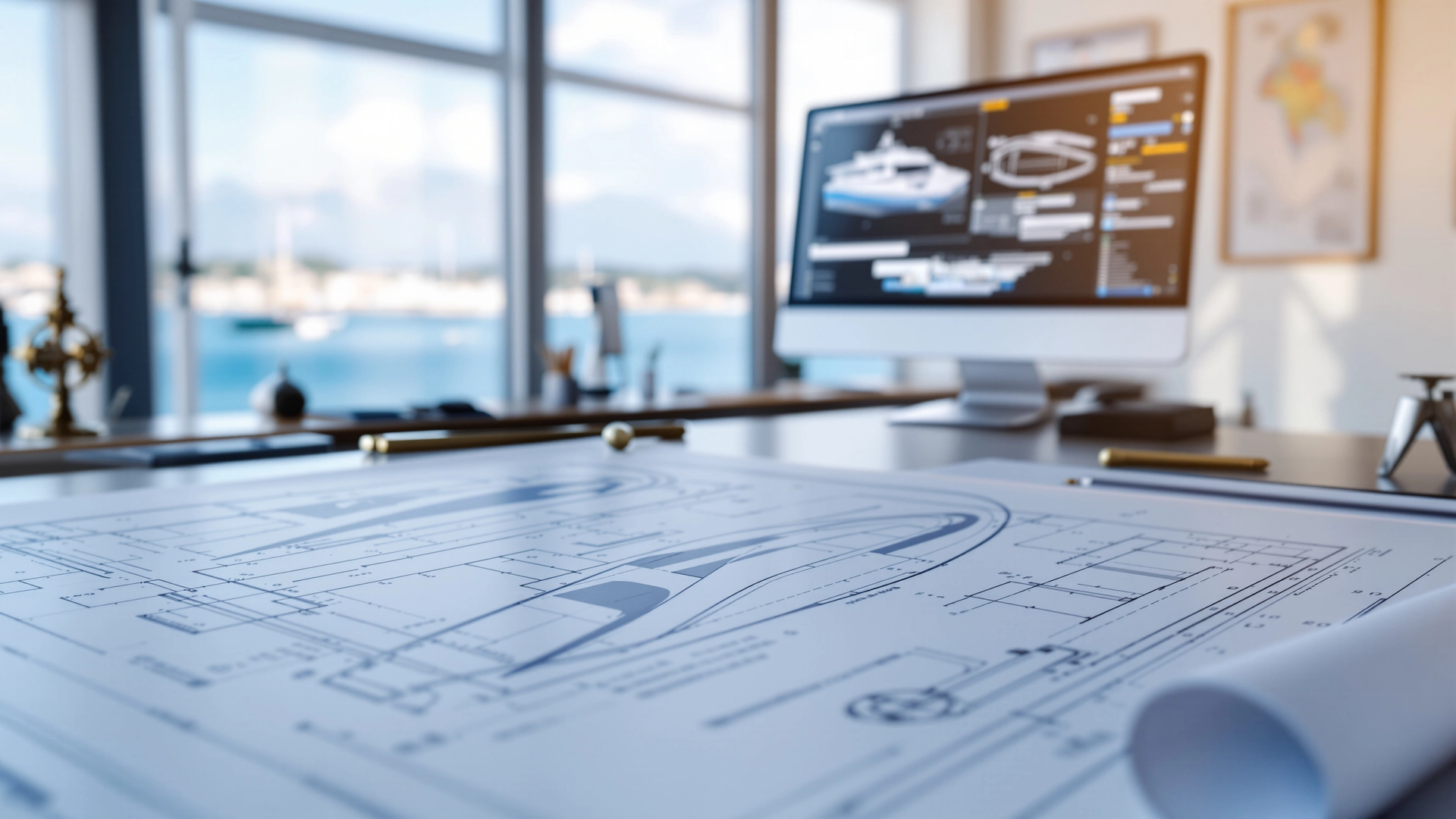
Discover Sherwood Marine Design: Professional Naval Architecture for Real-World Boats
Today, we’re launching Sherwood Marine Design—an online home for professional naval architecture, practical engineering, and straight-talking guidance for recreational and commercial vessels. If you’re planning a new build, refit, or stability assessment, this site shows how we turn rough ideas into safe, efficient boats that work hard and look right on the water.
What you’ll learn from this blog:
- What Sherwood Marine Design actually does (in plain English)
- How our design process moves from a sketch to sea trials
- How we handle safety, stability, and regulatory compliance
- Real-world examples for commercial and recreational projects
- Quick answers to questions boat owners ask all the time
Start here: what we actually deliver (in plain English) You don’t need to speak in formulas to work with a naval architect. At Sherwood Marine Design, we translate your goals—carry more traps, burn less fuel, add a flybridge, pass a stability test—into clear design decisions. Think of us as the bridge between your vision and a boat that behaves beautifully when the wind pipes up.
For a commercial skipper, that might mean a hull form that planes earlier under load and a stability plan that passes with margin to spare. For a weekend cruiser, it could be a quiet, efficient ride with a layout that makes rainy days onboard feel like a feature, not a compromise. Either way, we’re obsessed with the two things that matter on the water: predictable handling and trustworthy engineering.
From sketch to launch: our step-by-step path If you’ve ever wondered, “How does naval architecture actually work for my boat?” here’s the map we follow—no mystery, just momentum.
- Discovery and scoping: We listen—mission profile, crew, payloads, routes, deadlines, budget.
- Concept development: Quick sketches, weight targets, propulsion options, and early performance estimates.
- Preliminary design: 3D hull modeling, structure concepts, systems layout, and stability pre-checks.
- Engineering and analysis: Structure sizing, FEA where appropriate, seakeeping, and weight/balance refinement.
- Compliance planning: USCG/ISO/ABS considerations integrated early so nothing surprises you late.
- Production drawings: Clear plans for the yard, with bill of materials and build notes.
- Trials and validation: Lightship checks, stability tests, and tweaks based on real data.
A favorite moment? Watching a new workboat rise onto plane exactly where the prediction said it would. It’s like watching a good knot cinch tight—simple, satisfying, reliable.
Safety, stability, and compliance: no drama, just data Regulations can feel like a maze. We make them a checklist. Whether it’s a Subchapter T passenger vessel, an ISO 12217 category call for a trailerable cruiser, or a documented stability letter for a small fishing boat, we build compliance into the design from day one. No “we’ll fix it later” gambles.
Real example: A charter operator needed seating for 12, shelter from spray, and fuel burn under 12 gph at 18 knots. We tuned weight distribution, adjusted deadrise at the transom, and verified heel under passenger shift. The result? A boat that meets the rules, keeps clients comfortable, and doesn’t flinch when the afternoon breeze fills in.
We lean on the right tools for the job—resistance estimates, stability calculations, weight audits, and, when warranted, CFD or FEA. But we keep the conversation grounded: clear options, expected outcomes, and costs before you commit.
Who we help—and quick answers to common questions You might be:
- A commercial captain replacing a hull and needing a straight path to approvals.
- A builder wanting production-ready drawings that cut rework.
- A family planning a custom pocket cruiser that actually fits your weekends, not someone else’s.
Answers to questions we hear every week:
- Do I need a naval architect for a 28-foot aluminum workboat? If you care about payload, fuel burn, and passing stability with margin, yes—it pays back in predictability and fewer yard changes.
- How long does a concept-to-launch design take? Typical small-vessel timelines run 8–16 weeks for design, assuming decisions stay on pace and approvals are straightforward.
- Can you help with refits and retrofits? Absolutely. We assess weight changes, update stability, and provide drawings the yard can follow without guesswork.
- What’s the difference between naval architecture and a stability assessment? Naval architecture is the full design discipline (hull, structure, systems, performance). A stability assessment is a focused study to confirm safe behavior under defined conditions.
- Will you work with my preferred yard? Yes. Collaboration with your builder early and often saves money and time.
A small story to end this section: A client once asked if “half a degree” in trim mattered. We adjusted propulsion height and redistributed two heavy lockers. Sea trials showed a cleaner wake and 0.8 gph savings at cruise. Half a degree can be the quiet hero of your operating budget.
Ready when you are If you want a boat that’s calm in the chaos and honest in the numbers, Sherwoodmarinedesign.com is built for you. Explore our services, send us your question—even if it’s still a napkin sketch—and let’s turn it into a plan you can trust. Contact Us today, and we’ll chart the next step together.